

The Identity Challenge
Modern day users intuitively treat their digital identity (ID) as both an extension of themselves and as a means through which they can browse, purchase, manage, and consume services. As any merchant that sells goods or services, it is paramount to have a user-centric focus to understand not only who purchases a service, but also every individual user that consumes it.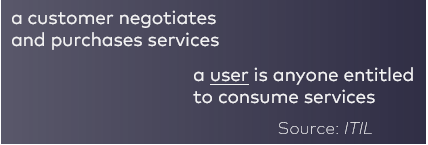
Digital Identity Management
Digital Identity Management is a suite of identity solutions that seamlessly integrates with existing systems without the need for costly infrastructural transformations.
- Frictionless onboarding, authentication, and digital service management user journeys
- Single Sign-On (SSO) for users to authenticate once and access multiple applications
- Multi-factor authentication (MFA), alias authentication, “Remember Me” auto-authentication
- Social authentication (sign up/sign in to an application with Facebook, Apple ID, and such)
- Child or guest users that can have limited access through a regular user and the use of a PIN
- Provision, collect, and leverage custom data for your users (for example, user preferences, DOB, and such)
- Authenticate securely from a 10-foot device (for example, set-top boxes, Roku, Apple TV, or smart TVs)
- System event framework that captures user interactions with the system and enables deep user insight
- Account and third-party service integration, and user-to-account association, so that users can view and manage access to their accounts within a household
The Digital Identity Management Advantage
Digital Identity Management offers merchant the peace of mind that they can remain relevant and stay at the forefront of digital identity and user management, at a fraction of the cost of continuous solution-based, on-premises, or tenant-of-one deployments.
- Identity provider service that creates, stores, and manages digital identities in the cloud.
- Entitlements layer, composed of associated user account and subscription data, that grants users granular access to only the services or specific features within a service to which they are entitled.
- Single Sign-On (SSO) that enables users to enter credentials once to get access to multiple apps.
- Lightweight REST API and Processes (multiple-step APIs) library to serve all stages of the user lifecycle.
- Integration layer that delivers user management capabilities with no change to IT systems.
- Access to web-based applications, including:
- Digital Identity Management Care Console for customer service representatives to assist users and troubleshoot issues.
- Digital Identity Management Admin Console for managers to register OIDC clients for SSO, configure email and SMS providers, and options to customize system settings.
- A built-in Identity App, an IdP provider service with sign up/sign in screens to use for your application(s).
- Robust application settings to configure and optimize processes to meet business needs.
- Streamlined integration with a business’ existing systems to achieve faster Time To Market (TTM).
- 100% managed platform; no need to invest time/effort in to managing the back end.
- Rolling updates with new features, with 99.9% uptime, based on a clearly communicated roadmap.
- Frequent upgrades to stay current with latest security, identity, and access management trends.
- Best-in-class scalable design that supports rapidly growing user volume from 100K to 100M users without performance degradation.